Recent natural disasters and social unrest events have highlighted the importance of being prepared for emergencies. People who believe in being ready for anything are called preppers. If you’re new to the concept of prepping, you might be wondering where to start. This article will help you get started on your journey to preparedness.
Navigating the Wilderness: Map Reading and Land Navigation
In the vast expanse of the outdoors, the ability to navigate effectively is paramount. This paragraph discusses the significance of map reading and land navigation skills. Understanding topography, using a compass, and interpreting landmarks can mean the difference between reaching safety and becoming disoriented in the wilderness.
1. Identify Your Needs
Before you start prepping, identify the needs of yourself and your family. Do you live in an area prone to natural disasters such as hurricanes, floods, or wildfires? Are you in an area with a high likelihood of social unrest events? Do you have any medical conditions that require specific medications or equipment? Make a list of your needs and prioritize them.
2. Start with the Basics
Begin prepping by acquiring the basics. Start with food, water, and shelter. For food, aim to have a three-month supply of non-perishable food that your family usually eats. For water, store one gallon per person per day for at least three days. For shelter, have a plan in case of evacuation or being stuck in your home for an extended period. Think about what you would do if the power or water shut off.
3. Prepare for Emergencies
One of the main reasons for prepping is to be prepared for emergencies. Make sure to have a basic emergency kit ready, including a first-aid kit, flashlights, a battery-powered radio, and spare batteries. Consider purchasing a generator in case of extended power outages. Also, have a plan in place for communication during an emergency.
4. Learn Basic Survival Skills
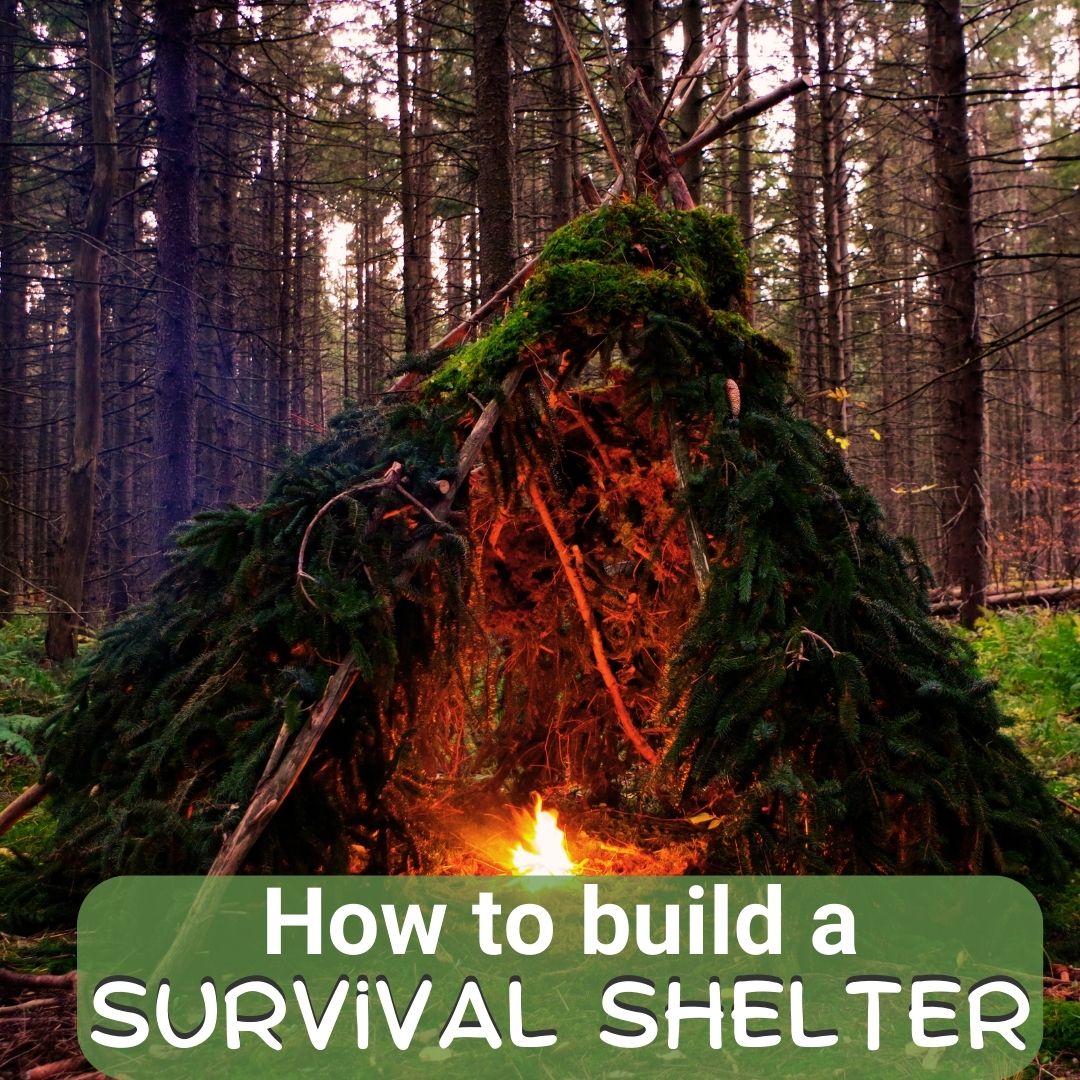
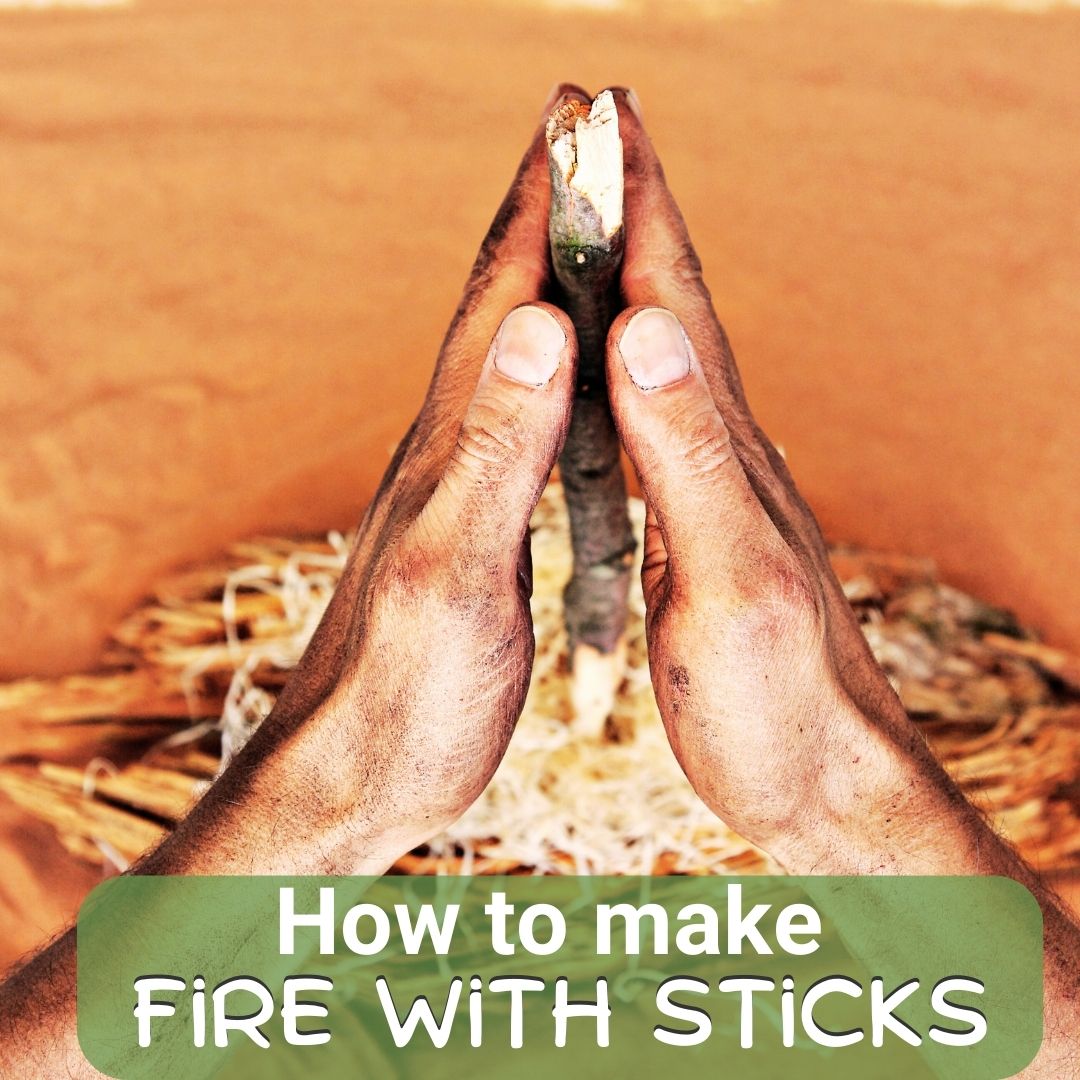
Learning survival skills can help you in emergencies and is also an excellent way to prepare for the unknown. Some basic survival skills you should learn include starting a fire, finding and purifying water, building a shelter, and basic first aid. Having these skills can give you confidence and a sense of security.
5. Continuously Improve Your Preparedness
Prepping is an ongoing process. Review and update your supplies and plans regularly. Test your emergency kit and know how to use everything in it. Consider taking classes on survival skills or emergency preparedness. The more you prepare, the more secure you’ll feel when an emergency arises.
Conclusion
Being prepared for emergencies is a wise decision, and preparing for them doesn’t have to be overwhelming. Start by identifying your needs, acquiring the basics, preparing for emergencies, learning basic survival skills, and continuously improving your preparedness. Remember, start small and work towards your goals. Prepping can give you a sense of security and empowerment, knowing that you’re ready for whatever comes your way.