

The Art of Trapping: Securing Sustenance in the Wilderness
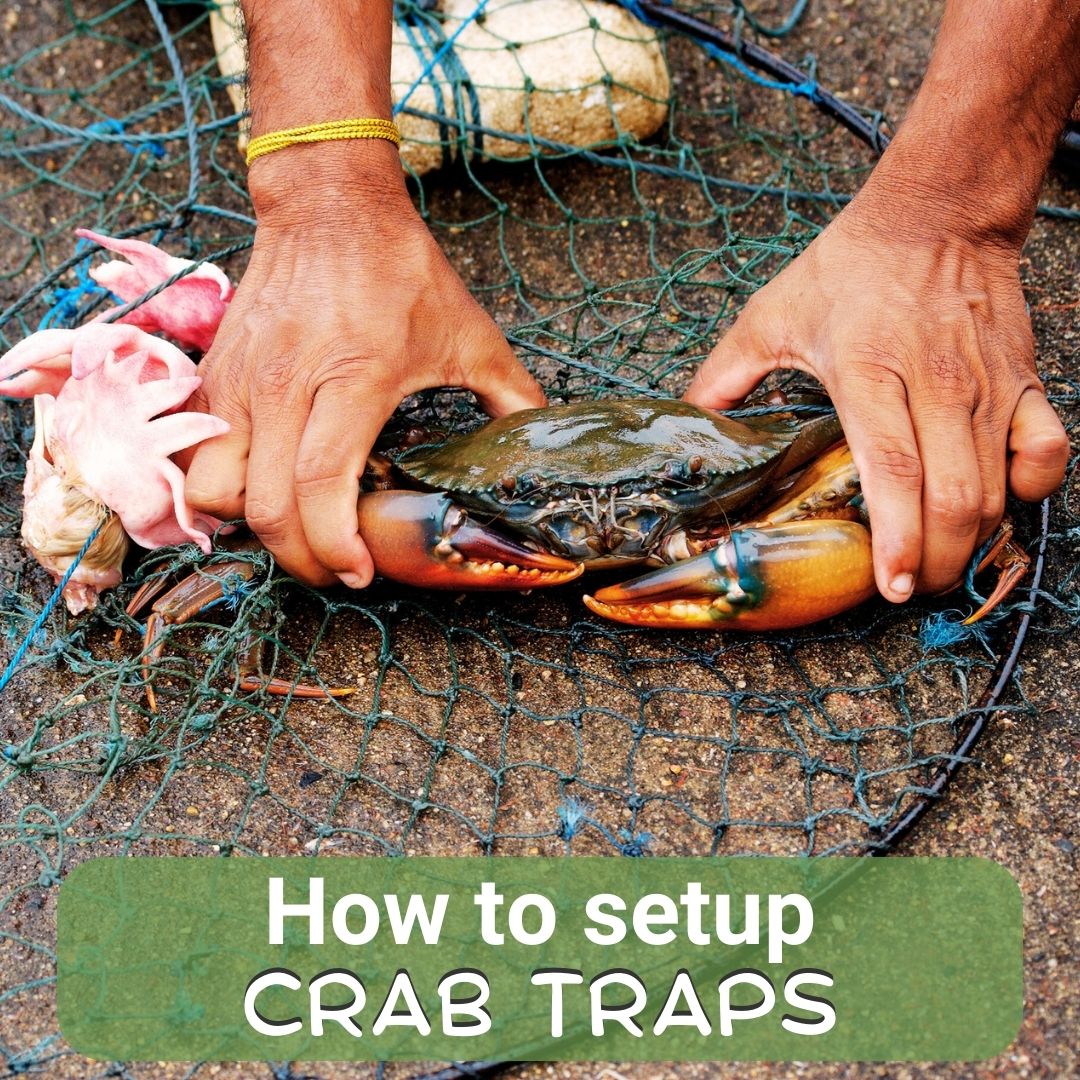
Delve into the world of trapping as an essential skill for survival. This section explores the various types of traps and their applications in securing food in the wild. From simple snare setups to more complex deadfalls, understanding trapping techniques is crucial for ensuring a sustainable source of nourishment in a survival scenario.
Precision in the Wild: The Basics of Hunting
Hunting is a skill that has been fundamental to human survival throughout history. Discuss the basics of hunting, including the importance of marksmanship, understanding animal behavior, and choosing the right weapon for the task. Highlight the ethical considerations of hunting and the necessity of respecting the ecosystem.
Camouflage and Stealth: Approaching Prey Unnoticed
Explore the importance of blending into the natural surroundings and moving with stealth when hunting. This section discusses the significance of camouflage techniques, the use of natural cover, and understanding wind direction to approach prey undetected. Mastering these skills enhances the chances of a successful and humane hunt.
Tracking: Reading Nature’s Clues
Tracking is an ancient skill that remains relevant in modern survival scenarios. Discuss the art of reading tracks, scat, and other signs left by animals. Understanding the basics of tracking enables a hunter to locate prey more effectively and increases the likelihood of a successful hunt. This section emphasizes the importance of patience and observation in honing tracking skills.
Ethical Considerations: Sustainable Practices in Trapping and Hunting
Address the ethical dimension of trapping and hunting, emphasizing the importance of sustainable practices and responsible resource management. Discuss the role of ethical hunting in conservation and how conscientious trapping techniques contribute to maintaining ecological balance. Encourage readers to approach trapping and hunting with respect for wildlife and the environment.
Conclusion:
Summarize the key takeaways from the guide on trapping and hunting, underscoring the importance of these skills for securing food in a survival situation. Emphasize the need for continuous learning and ethical practices to ensure responsible and sustainable use of these techniques in the wild.